
by Dan Roscoe, President of Renewall
Most people only think about electricity when something disrupts the routine. The bill arrives higher than expected. The power goes out during a storm. A price hike gets announced and suddenly everyone is paying attention. The rest of the time, electricity is background noise, something that just works.
But electricity is never just background infrastructure. It powers homes, businesses, schools, hospitals, and community spaces. It is part of how people live, work, and plan. That makes the question of where it comes from more important than most people give it credit for, especially in a province like Nova Scotia, where energy choices carry real consequences for affordability, reliability, and long-term confidence.
Energy choices matter because not all electricity is the same. Different sources carry different costs, different risks, and different implications for the future.
More sources than we should be comfortable with depend on fuels imported from outside the province. Many are priced in markets Nova Scotia has no control over. When those markets shift, costs follow.
Some sources produce more emissions, which creates environmental and regulatory pressure over time. Some make long-term planning harder, because the inputs are volatile and the trajectory is harder to predict.
Local renewable energy offers a different profile. The fuel is free. The source is domestic. The output is, obviously, cleaner. And over time, it supports a more stable and predictable energy picture for the province.
Asking where our electricity comes from is really asking what kind of future we are building. Environmental benefits aside, the answer to this question has very real practical consequences.
When renewable electricity is generated in Nova Scotia, more of the value stays connected to the province. Local energy supports local climate commitments. It makes use of resources the province already has and perhaps most importantly from an economic point of view, it reduces dependence on outside supply chains and external pricing.
There is also something less tangible but genuinely important: a clearer connection between the power people use and the place they live. Energy transitions tend to feel abstract. They involve large numbers, long timelines, and systems that most people will never see.
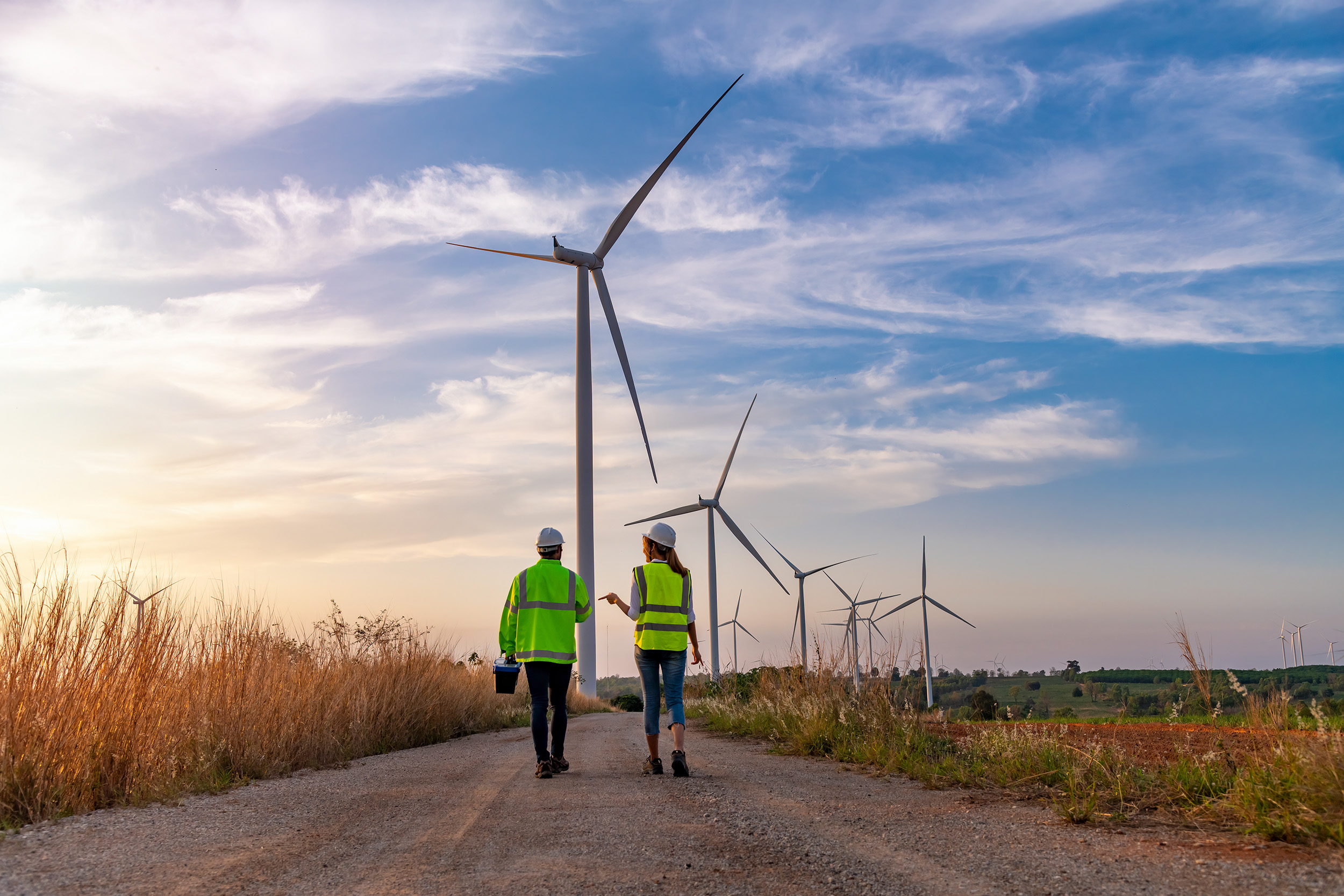
Local renewable energy makes that transition more visible and more concrete. The wind turbine on a ridge outside town is a visible monument that there is a generator producing electricity flowing into homes and businesses nearby. People are more likely to understand and support progress when it is happening somewhere they recognize.
Our province is shaped by wind and tides. These are critical resources, if somewhat underdeveloped. Wind is already part of daily life across the province. With the right infrastructure, it can also be a significant part of how Nova Scotia powers its future. We don't need to wait for someone else to develop the energy technologies or build the systems. The natural conditions are already here. The question is how well the province makes use of them.
Nova Scotia has real renewable resources and a grid that is actively modernizing to accommodate them. Local clean energy turns that natural position into economic and operational progress. People want energy they can count on. Businesses need to plan around it. Communities depend on systems that are affordable and resilient.
Local renewable energy contributes to that confidence in a specific way. It reduces how much Nova Scotia's energy system is exposed to outside forces, whether that means fuel supply disruptions, market volatility, or regulatory shifts in other jurisdictions. A grid that draws more of its power from domestic sources is a grid with fewer external dependencies.
Will renewables solve every reliability challenge on their own? No. Grid modernization, transmission investment, and storage capacity all play important roles. But the direction of travel matters. Moving toward local clean generation is moving toward an energy system that is more within the province's own control.
The clean energy transition can sound large, technical, and distant. It gets discussed in policy frameworks, national targets, and infrastructure timelines. That framing is accurate, but it does not always connect with how people actually experience energy in their daily lives. When clean power is generated close to where people live, the transition stops being abstract. It becomes something that is happening here, in this province. Progress that feels visible and achievable is easier to support and build on than progress that feels remote and theoretical.
Nova Scotia's energy future is about the choices being made now, by businesses, homeowners, and energy suppliers operating in the province today. Renewall exists to give Nova Scotians a practical way to support local renewable electricity. Choosing local clean energy is a decision with real consequences for where money flows, what risks the province carries, and what kind of energy system gets built over time.
Electricity is easy to take for granted, but the choices behind it are not. When clean energy is generated close to home, it powers more than buildings.
It helps build a stronger, more resilient future for Nova Scotia.
Dan Roscoe is the President of Renewall Energy, a renewable energy provider, and CEO of Roswall Development, a renewable energy developer, both based in Halifax, Nova Scotia. His work is focused on building the infrastructure for a cleaner, smarter energy future across Canada and beyond.


