
by Dan Roscoe, President of Renewall
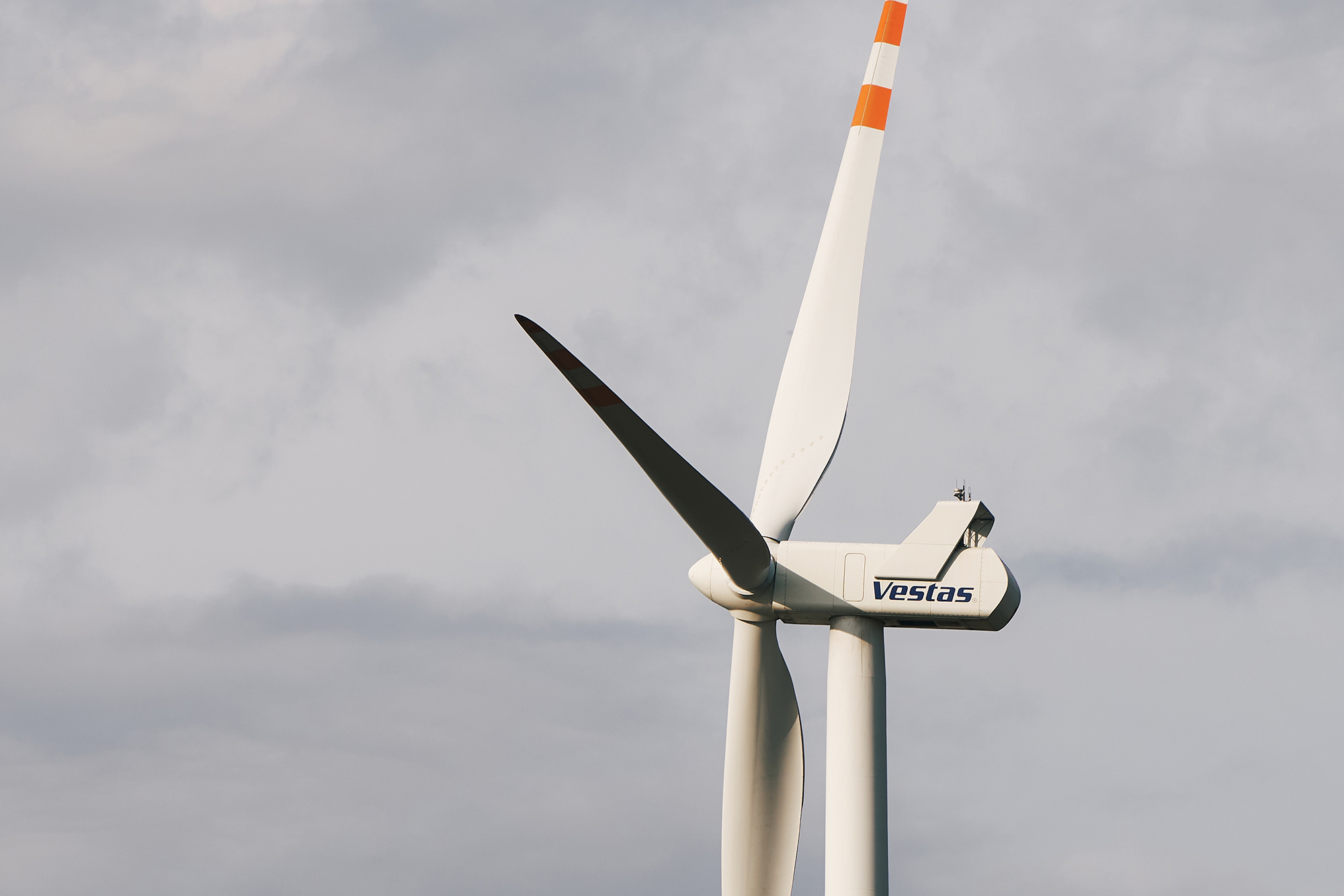
After years of permit applications, community meetings, and enough paperwork to fill a turbine nacelle, we're finally building. The Mersey River Wind project isn't just another renewable energy announcement. It's 33 Vestas turbines going into the ground. 4.5 megawatts each, 148.5 megawatts total. Real steel, real concrete and real clean power coming to Nova Scotia's grid.
Let me give you the engineering perspective first, because the scale here is worth understanding. According to Environment Canada, when these turbines start spinning, they'll cut greenhouse gas emissions in Nova Scotia by 220,000 tonnes annually. Wind turns blades, blades turn generators, and generators make clean electricity that displaces fossil fuel burn. Simple as that.
For context, that's like pulling around 48,000 cars off Nova Scotia roads every year.
The project will generate enough clean electricity to power roughly 55,000 homes. But here's what excites me more: every kilowatt-hour we produce locally is one we don't have to generate from imported coal or natural gas. That's energy independence measured in megawatts.
I've been in the renewable energy business long enough to see plenty of projects that look good on paper but never materialize. Mersey River Wind is different for three reasons.
First, it's fully integrated. Roswall Development is building it and Renewall will deliver the power directly to customers. No middlemen, no markup, just clean electrons from turbine to household. That vertical integration means Nova Scotians control quality, pricing, and delivery from start to finish. No outside pressure from the fossil fuel industry.
Second, the timing is perfect. Nova Scotia has committed to 80% renewable electricity by 2030. That's policy. Projects like this are how we get there. We're not waiting for the future, we're building it, one foundation at a time.
Third, and this is crucial: Nova Scotians actually want this. Our Renewall waitlist has hundreds of households already signed up. Over 30 commercial and municipal customers have committed, including major organizations like Halifax Regional Municipality and the NSLC.
Here's something that doesn't get enough attention: renewable energy projects are economic engines for rural communities. Right now, we've got local contractors pouring foundations, local truckers hauling materials, and local workers who'll maintain these turbines for the next 25 years and beyond.
That's the human side of energy transition, keeping talent and families in Nova Scotia.
The skills these crews are developing aren't just for this project. We're training a workforce capable of supporting the dozens renewable projects coming to Atlantic Canada. Every electrician who wires a turbine, every technician who learns blade maintenance, becomes part of the clean energy economy. That expertise stays here.
Construction continues through 2025. The heavy lifting, literally, starts when turbine components arrive in 2026. These aren't your grandfather's windmills. Each blade is longer than a hockey rink. The nacelles (that's the box at the top that houses the generator) weigh as much as a fully loaded transport truck. Installing them requires precision, expertise, and really big cranes.
And once they are operational, something remarkable happens: choice. For the first time in Nova Scotia's history, you'll be able to pick where your electricity comes from. Want locally-generated wind power with predictable pricing? That's Renewall. Prefer the status quo? That's still an option. But at least now it's your option.
This isn't about forcing anyone to do anything. It's about building an alternative that's cleaner, more predictable, and definitely more local than what we've had before.
After more than two decades in this industry, I've learned that energy transition isn't about grand gestures. It's really about turning wrenches, pouring concrete, and connecting cables. It's about taking something that works in theory and making it work at 3 a.m. in a February ice storm.
Every time I see those foundations taking shape in Milton, I'm reminded that we're not just building a wind farm. We're building energy independence, creating jobs that can't be outsourced, and proving that Nova Scotia can and will lead rather than follow in the clean energy economy.
The transition to renewable energy is happening right now, in Milton, with real shovels in real ground. And honestly? It's about time.
Dan Roscoe is the President of Renewall Energy, a renewable energy provider, and CEO of Roswall Development, a renewable energy developer, both based in Halifax, Nova Scotia. His work is focused on building the infrastructure for a cleaner, smarter energy future across Canada and beyond.


