
by Dan Roscoe, President of Renewall
For most Nova Scotians, electricity has always come from one place, through one system, with no choice involved. So when energy choice arrives quietly and without disruption, it can feel suspicious.
If switching were really that simple, surely there must be a catch.
In reality, the biggest barriers to energy choice in Nova Scotia are psychological. Most concerns about switching electricity providers are based on assumptions that no longer apply in a shared, regulated grid. Once those myths are examined, what remains is a straightforward administrative change, rather than a physical one.
Here are five common misconceptions.
What people assume:
Switching providers means a new meter, electrical upgrades, or an electrician visit.
The reality:
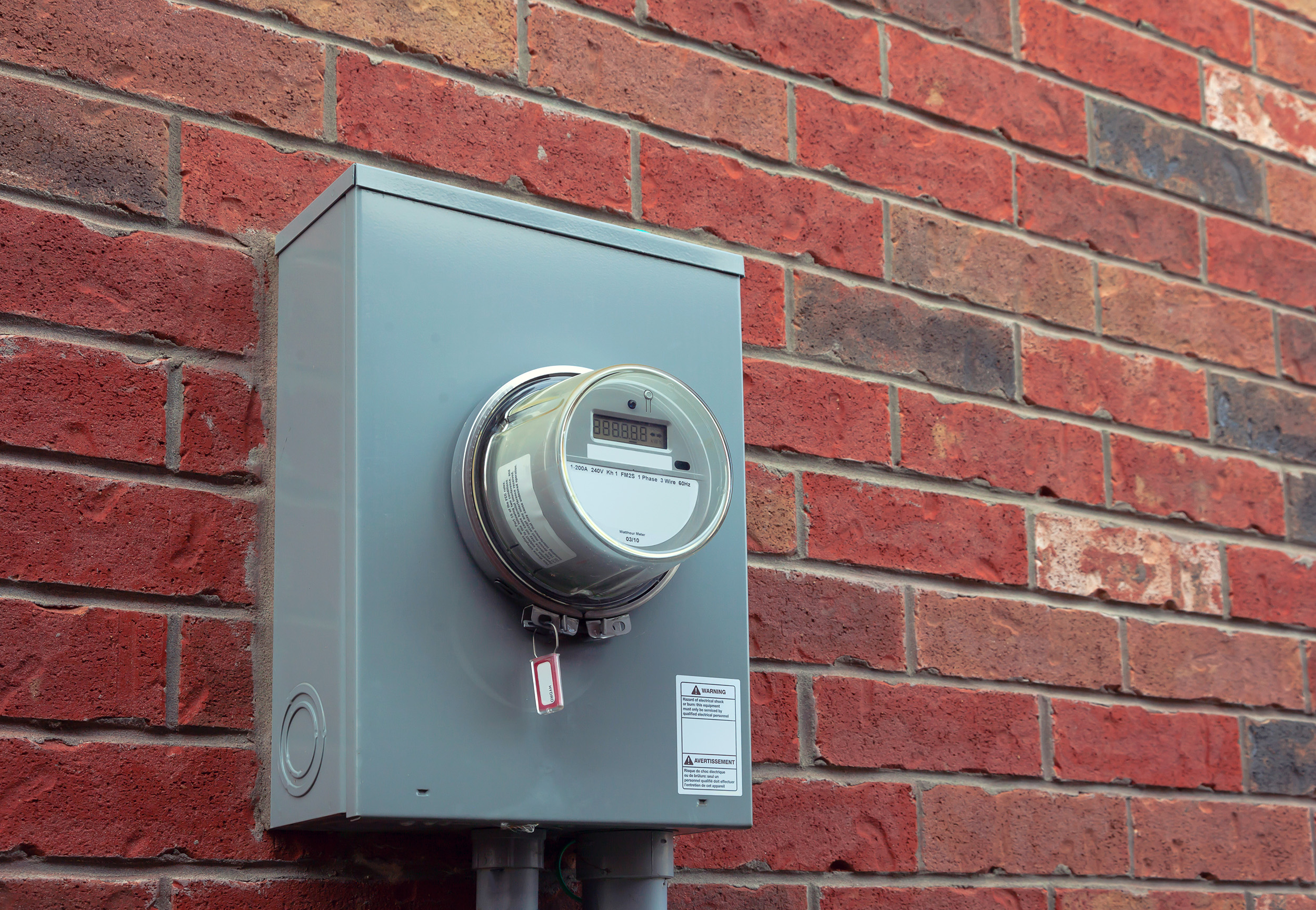
Nova Scotia Power owns and operates the grid, regardless of which licensed independent electricity provider you choose now or in the future. Electricity flows through the same wires, transformers, substations, and outlets. Your existing smart meter continues to measure your usage exactly as it does today.
Switching suppliers does not alter your electrical system.
What actually changes:
Only the source of generation credited for your electricity and the logo at the top of your bill. There are no equipment swaps, no installation appointments, and no changes to your property.
Why this myth exists:
Historically, major energy shifts required new infrastructure. Today’s retail framework does not.
What people assume:
A switch sounds like a cutover. That implies downtime or scheduled outages.
The reality:
The change happens administratively within Nova Scotia Power’s system. Power delivery is uninterrupted.
From the customer’s perspective, nothing happens on switch day. The lights stay on. Business operations continue as usual.
Technical context:
Multiple generators already supply the grid at the same time. Switching suppliers changes billing attribution, not the physical flow of electricity.
Why this myth exists:
People often equate switching providers with being physically disconnected and reconnected. That is not how this works, it’s entirely seamless.
What people assume:
Extensive paperwork, multiple calls, and weeks of coordination.
The reality:
Renewall manages the switch on your behalf.
Your role is limited to confirming eligibility, reviewing the contract, and enrolling. For most customers, total active time is about 20 minutes.
After that, we handle the rest.
Why this myth exists:
In other industries, switching can be frustrating. Electricity choice in Nova Scotia was designed to avoid that friction.
What people assume:
Wind is intermittent. A smaller provider means weaker service. If the wind slows down, will reliability suffer.
The reality:
Nova Scotia Power remains responsible for grid reliability and outage response. That does not change when you choose a retail supplier.
The grid balances supply automatically from multiple sources. Reliability at your outlet remains unchanged. Intermittent generation is not the same as intermittent delivery.
Why this myth exists:
Public discussions about renewables often focus on variability without explaining how modern grids manage it.
What people assume:
Long contracts with no exit and significant penalties.
The reality:
Contracts include clear terms and exit provisions. Moving homes can be penalty free. Customers can return to another provider outside the contract term. Energy choice operates within existing consumer protections.
Why this myth exists:
Choice is new in a category that historically offered none.
If it is simple, regulated, and clean, why have I not heard more about it.
Energy choice is licensed and regulated by the Nova Scotia Energy Board. The Renewable to Retail framework has existed since 2014. The policy and infrastructure work happened long before customers were invited to participate.
It can feel unfamiliar in a system that once felt closed. But unfamiliar does not mean risky.
Energy choice in Nova Scotia is not hard. It is simply new.
Misconceptions delay access to clean, locally generated electricity. They create friction where none technically exists. The barrier for many is rooted belief, not the reality of the process.
Once the myths are removed, what remains is a simple decision about where your electricity comes from and how you want to power your future.
Dan Roscoe is the President of Renewall Energy, a renewable energy provider, and CEO of Roswall Development, a renewable energy developer, both based in Halifax, Nova Scotia. His work is focused on building the infrastructure for a cleaner, smarter energy future across Canada and beyond.


